Win a Breathtaking Bryson City Giveaway

Biltmore Estate Asheville
America's Largest Home & Castle Experience
Click here for Biltmore's helpful Know Before You Go tips and estate hours
Experience the grandeur of Biltmore, George Washington Vanderbilt's magnificent 1895 French Renaissance château in Asheville. This isn't just a historic house—it's an 8,000-acre Blue Ridge Mountains estate featuring the stunning 250-room Biltmore House, 75 acres of meticulously designed gardens, America's most-visited winery, luxury accommodations, and miles of hiking trails. The scale and beauty of Biltmore capture the ambition and elegance of America's Gilded Age like nowhere else. Biltmore regularly adds new experiences, which makes it a great attraction to visit in each season, year after year.
Millions of people visit this National Historic Landmark annually, and for good reason. From the moment you drive through the gates and wind through forest roads toward your first glimpse of the château, you'll understand why Biltmore remains one of America's most treasured destinations. Our comprehensive Biltmore guide helps you plan the perfect visit to America's largest privately owned home, with insider tips for tours, dining, shopping, and seasonal attractions. Whether you're visiting for Christmas splendor, spring blooms, or summer adventures, Biltmore delivers an unforgettable experience.
The Biltmore Estate Top 11 Things to Do
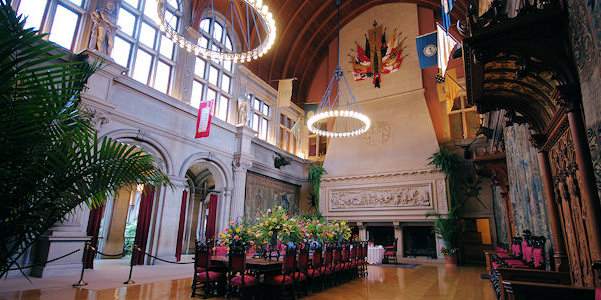
- Biltmore House: Tour America's largest privately owned mansion, a 250-room masterpiece filled with original Vanderbilt furnishings, priceless art, and Gilded Age amenities, including an indoor pool and bowling alley. Self-guided tours with audio companions allow you to explore at your own pace. Allow at least two hours for the tour. See our photos of Biltmore House decorated for Christmas and Christmas Eve for a glimpse of the estate's most magical season.
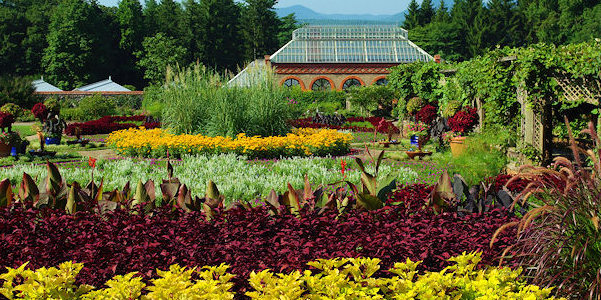
2. Gardens: Stroll the spectacular gardens designed by Frederick Law Olmsted, the same landscape architect who created New York's Central Park. Highlights include the formal Italian Garden with reflecting pools, the four-acre Walled Garden bursting with seasonal color, and the Shrub Garden's year-round interest. Every season offers its own beauty. The gardens alone could fill an entire visit. See our Photo Tour of the Biltmore Gardens and Biltmore Blooms Spring Flowers Guide for detailed looks at what blooms when.
3. Conservatory: Step into this Victorian-style glasshouse adjacent to the Walled Garden, where tropical and subtropical plants thrive year-round. The extensive orchid collection, seasonal displays, and lush greenery create a peaceful retreat from the bustle of the main house and gardens. On cold or rainy days, the warm, humid conservatory offers a welcome escape while still delivering botanical beauty.
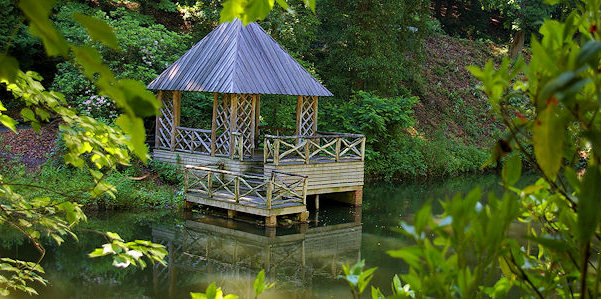
4. Bass Pond: Walk to this secluded, romantic part of the estate with a historic Boat House and serene water views. The Meadow Trail showcases wildflowers in summer, while the Woodland Trail bursts with azaleas each spring. This pet-friendly area welcomes leashed dogs and offers thousands of acres to explore beyond the formal gardens. It's where you'll find locals walking their dogs and visitors seeking quieter moments away from the main attractions.
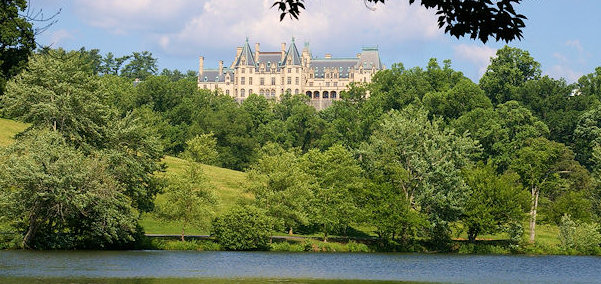
5. Instagram-Worthy Photo Spot: Capture the iconic rear view of Biltmore House from the drive between the mansion and winery. Find the small picturesque lake (called the Lagoon) and cross the narrow stone bridge for the estate's most photographed angle—the château reflected in calm water with mountains rising behind. This spot offers perfect lighting in the morning and late afternoon. The surrounding lawn provides ideal picnic areas. Trails from here lead into the forested estate for a hike.
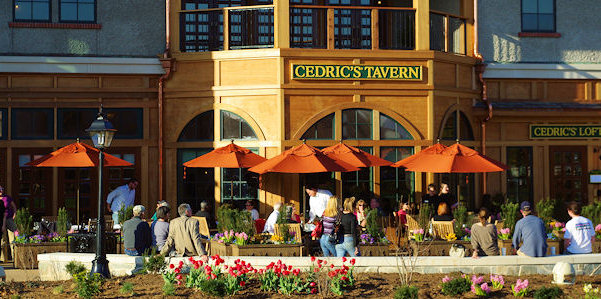
6. Antler Hill Village: This charming village along the French Broad River brings together dining, shopping, Biltmore's agricultural history, and outdoor activity headquarters all in one walkable area. The Legacy exhibition traces the Vanderbilt family story and estate history. Tour the historic barn. Throughout the day, live entertainment fills the green, and the village serves as your base for outdoor adventures. (See Outdoor Activities, below.) Stay in two hotels, the Inn at Biltmore Estate and the Village Hotel. Read more about Antler Hill Village.
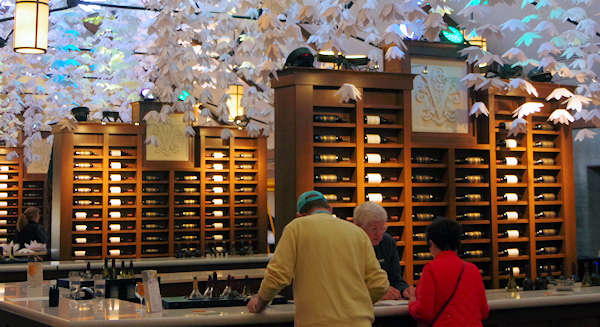
7. Winery: Discover why Biltmore is America's most-visited winery. Your admission includes complimentary wine tastings, allowing you to sample estate-grown wines in the historic winery building. Browse the extensive Wine Shop, enjoy lunch at the Bistro, or settle in at the Wine Bar, which stays open until 8 PM nightly. Read more about the Biltmore Winery, including seasonal releases and special tastings.
8. The Farm: Experience Biltmore's working agricultural heritage at this hands-on farm featuring the beautifully preserved 1902 barn. It's filled with antique equipment and tools. Meet the estate's draft horses, calves, lambs, chickens, and other farm animals. Watch blacksmith demonstrations where sparks fly, and observe woodworkers using traditional techniques. Children especially love this area.
9. Outdoor Activities: Adventure awaits across 8,000 scenic acres with activities for every interest and ability level. Hike miles of trails through forests and along rivers. Bike paved and unpaved paths with rentals available on-site. Experience the estate from horseback on guided trail rides, or choose a leisurely horse-drawn carriage tour. Try your hand at falconry, test your aim at the sporting clays course, or paddle the French Broad River on a guided float trip. The Outdoor Adventure Center coordinates all activities and helps you choose the right experience for your group. Read more about Biltmore's outdoor offerings.
10. Biltmore Restaurants: Multiple dining venues across the estate offer options for every appetite and occasion, all accessible with your admission ticket. From quick casual bites to elegant multi-course meals, Biltmore's culinary experiences complement your visit perfectly. The Stable Café serves Appalachian comfort food in the original estate stables. Cedric's Tavern pours craft beers with hearty tavern fare and outdoor seating. The Bistro at the winery features wood-fired pizzas made with estate-raised ingredients. For fine dining, The Dining Room at the Inn provides Forbes Four-Star service in an elegant setting. All restaurants welcome guests daily.
11. Luminere™: Beginning in March, 2026, Biltmore offers an after-dark experience with this immersive light and sound show. It transforms the house and gardens. Walk at your own pace through seven illuminated installations including projections on Biltmore House that tell the estate's story, rippling pools of light in the Italian Garden, and plants aglow in the Conservatory. The Walled Garden hosts a Starlight Soirée and trees come alive during Twilight Flight. Arrive before sunset to watch day fade into dusk across the estate. This experience runs select evenings and requires separate tickets. It reveals Biltmore from a completely new perspective.
Biltmore Visitor Information
Dining Options
Multiple dining venues serve everything from quick casual meals to Forbes Four-Star fine dining. All dining venues are accessible with your admission ticket and welcome guests daily.
Visitor Tips
Arrive early to maximize your time—the estate opens at 9 AM, and you'll want every hour. Wear comfortable walking shoes; you'll cover significant distance even if you're not hiking trails. Saturdays are the busiest days, especially during peak seasons from April through May and October through December. Christmas dates often sell out weeks in advance, so book early if visiting during the holidays. While shuttles run between major areas, having your vehicle provides flexibility to explore at your own pace.
The estate welcomes leashed pets on the grounds but not inside buildings. Consider purchasing tickets online in advance to save time. Annual passes offer excellent value if you plan multiple visits or live within driving distance. After 4:30 PM, you can validate your ticket for the following day, allowing you to split your visit across two days without paying twice.
Accessibility
Biltmore offers discounted admission for guests with disabilities and strives to make the estate accessible to all visitors. Complimentary wheelchairs are available for Biltmore House tours covering the first and second floors. The gardens are wheelchair accessible, with designated accessible parking at the Conservatory providing the easiest access to garden paths. Antler Hill Village and the winery are fully accessible. For guests with hearing impairments, Neckloop Telecoil Couplers (assistive listening devices) are available, and sign language interpreters can be arranged with advance notice. For specific accommodations or questions, call 800-411-3812.
Just for Children
Children under 10 receive free admission, making Biltmore an excellent family destination. Young visitors especially enjoy the Farm at Antler Hill Village, where they can meet farm animals up close. Special children's audio tours for Biltmore House engage kids with age-appropriate stories. The estate's 8,000 acres provide endless opportunities for children to explore, run, and discover. Many families find that splitting the visit across two days (using the 4:30 PM ticket validation) prevents exhaustion and lets everyone enjoy Biltmore at a relaxed pace. See our Biltmore for Kids page for activity ideas, tips, and kid-friendly highlights.
Location & Getting There
Address: 1 Lodge Street, Asheville, NC 28803 (GPS-friendly address)
Hours: Biltmore is open 365 days a year, including all holidays. The Admission Gate opens at 9:00 AM and closes at 5:00 PM, though you can remain on the estate past gate closing if you've already entered. Estate buildings and attractions have varying hours depending on season—check Biltmore's current hours of operation before your visit to plan accordingly.
Tickets & Admission: Daytime admission includes Biltmore House self-guided tours, gardens, Antler Hill Village, the Farm, and winery with complimentary tastings. Annual passes and special seasonal tickets (like Christmas Candlelight Evenings) are also available. All tickets are date-specific, so choose your visit date carefully when booking. Check Biltmore's current hours of operation. Admission Gate open 9:00 a.m. – 5:00 p.m.
Note: Biltmore Village—a charming shopping and dining district—is located outside the estate gates across from the entrance.


